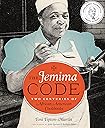
The Jemima Code: Two Centuries of African American Cookbooks
Product ID: 19932731
Desertcart purchases this item on your behalf and handles shipping, customs, and support to Argentina.
Winner, James Beard Foundation Book Award, 2016 Art of Eating Prize, 2015 BCALA Outstanding Contribution to Publishing Citation, Black Caucus of the American Library Association, 2016 Women of African descent have contributed to America’s food culture for centuries, but their rich and varied involvement is still overshadowed by the demeaning stereotype of an illiterate “Aunt Jemima” who cooked mostly by natural instinct. To discover the true role of black women in the creation of American, and especially southern, cuisine, Toni Tipton-Martin has spent years amassing one of the world’s largest private collections of cookbooks published by African American authors, looking for evidence of their impact on American food, families, and communities and for ways we might use that knowledge to inspire community wellness of every kind. The Jemima Code presents more than 150 black cookbooks that range from a rare 1827 house servant’s manual, the first book published by an African American in the trade, to modern classics by authors such as Edna Lewis and Vertamae Grosvenor. The books are arranged chronologically and illustrated with photos of their covers; many also display selected interior pages, including recipes. Tipton-Martin provides notes on the authors and their contributions and the significance of each book, while her chapter introductions summarize the cultural history reflected in the books that follow. These cookbooks offer firsthand evidence that African Americans cooked creative masterpieces from meager provisions, educated young chefs, operated food businesses, and nourished the African American community through the long struggle for human rights. The Jemima Code transforms America’s most maligned kitchen servant into an inspirational and powerful model of culinary wisdom and cultural authority. Review: Much more than a cookbook. A must read. - This item is far more than a cookbook. It's a beautiful journey through Black history. Stories, pictures, and fact filled narrative woven throughout the book and recipes provide insight into a rich spiritual culture. I've almost finished reading the book and have not cooked a single dish yet. I did not care much for the use of some descriptive words used in this book. I find the words to be racially derogatory. However, the author of this book used these terms for the book so I respect the work done and continue to read it for the culture and history. Review: A "Wow" of a Treat of a Book - This book is so much more than I imagined. It's educational, enlightening, fascinating, and visually stunning. Clearly, years of research went into this labor-of-love work. While it can of course be read straight through, I'm savoring it little by little, anticipating the next morsel. I'm salivating (pardon the unintended, food-related puns) thinking about the author's own extensive collection of African American cookbooks; also, I haven't been able to stop myself ordering facsimile copies of a few works discussed. I simply didn't know what I didn't know about much of what is covered here. Thank you to Ms. Tipton-Martin and every person whose story is told. Your contributions, and those of so many others, are sparkling in the light.
| Best Sellers Rank | #81,466 in Books ( See Top 100 in Books ) #38 in Soul Food Cooking, Food & Wine #261 in African American Demographic Studies (Books) |
| Customer Reviews | 4.5 out of 5 stars 530 Reviews |
L**.
Much more than a cookbook. A must read.
This item is far more than a cookbook. It's a beautiful journey through Black history. Stories, pictures, and fact filled narrative woven throughout the book and recipes provide insight into a rich spiritual culture. I've almost finished reading the book and have not cooked a single dish yet. I did not care much for the use of some descriptive words used in this book. I find the words to be racially derogatory. However, the author of this book used these terms for the book so I respect the work done and continue to read it for the culture and history.
G**8
A "Wow" of a Treat of a Book
This book is so much more than I imagined. It's educational, enlightening, fascinating, and visually stunning. Clearly, years of research went into this labor-of-love work. While it can of course be read straight through, I'm savoring it little by little, anticipating the next morsel. I'm salivating (pardon the unintended, food-related puns) thinking about the author's own extensive collection of African American cookbooks; also, I haven't been able to stop myself ordering facsimile copies of a few works discussed. I simply didn't know what I didn't know about much of what is covered here. Thank you to Ms. Tipton-Martin and every person whose story is told. Your contributions, and those of so many others, are sparkling in the light.
V**4
A True Cook at Heart ❤❤❤❤
The Jemima Code when I tell you I have been waiting to buy this book for at least 2 years it's the truth. But once I got it I was disappointed because there were no recipes in it. So I put in for a refund and the day I was about to send it back I felt like I should at least look through it again. So I flipped through the pages one more time and I was suprise as to what I found out. The book is a great reference and a foundation of the pride, committment, and love that these famous cooks put into the soul of their food. They made exceptionally good food with less resources than we have today. I absolutely love it and I am happy that my better judgement led me to look through the book one more time before sending it back. This is a wonderful purchase and I would recommend it to anyone that is a true cook.
A**R
A Must for Anyone Interested in American Culinary History!
Toni Tipton-Martin's book fills a tremendous hole in American culinary history. I would venture that few people know the extent to which African Americans have written and published cookbooks. I was certainly surprised to find out how early in the 1800s books were published as well as the number and variety of cookbooks that have been printed since that time. Many of this books remain a mystery because they are long out-of-print and oft-ignored by the mainstream publishers and press. When possible, and most importantly, Martin provides the author's biography, the backstory of their culinary experience and the social context surrounding the book's publishing. This is vital resource and a great read for anyone interested in getting a fuller picture and more nuanced understanding of American cuisine. If you're the type of person who loves to "read" cookbooks . . . this one's for you!
M**Y
A good read.
Lots of historical information along with good recipes.
M**N
A Game Changer for Culinary History and this Lil Ol White Lady's Kitchen
I've been eagerly awaiting the publication of Toni Tipton-Martin's work. It arrived this morning along with long awaited rain to end California's drought. I curled up with it. At first I thought I might be disappointed because it is not a cookbook, but the history of 200 years of American cookbooks and their African-American authors. Surprize! The more I read, the more I realized that Tipton-Martin's work will have enormous consequences for culinary historians, who will have to integrate her evidence into their thinking about American food. For example, accounts of "California" cooking will need to include the Southern expatriates who flocked west around World War II. For me personally, the consequence will be exploring a whole new realm of recipes, if I can track down some of these neglected volumes.
A**R
Primarily a history book, not a cook book
The documentation of this history is wonderful work by the author. I was however disappointed that there were so few recipes included. I was looking forward to taking a great journey in front of my stove. They need to clarify that this is not a cook book in any form or fashion. I purchased it after hearing the author doing an interview, and It just didn't live up to the impression that I had formed.
A**R
Love this book
1. I love cookbooks, kitch, and the evolution of Betty Crocker, Aunt Jemima, refrigerators, microwaves, appliances, kitchen colors, you get it. 2. How the above-mentioned items reflect our evolving cultural milieu is amazing. 3. I wasn't certain where this book was going when I purchased it but it delights me. Through pictures, recipes, and narrative the author explains the blending of cultures to create a large portion of our uniquely American menu. Tipton-Martin draws similarities between slave kitchen cooks and the mistress of the house (Afro-European) and the lack of black authored cookbooks. I'm not done with the book yet - I'm taking my time because every page is a pleasure. I can't lend you my copy of the book because I'm keeping mine. You have to read about Aunt Jemima and Uncle Ben...
Trustpilot
2 weeks ago
2 days ago