
Descargar la aplicación


Servicios al cliente
Sobre nosotros
Copyright © 2025 Desertcart Holdings Limited
Descargar la aplicación
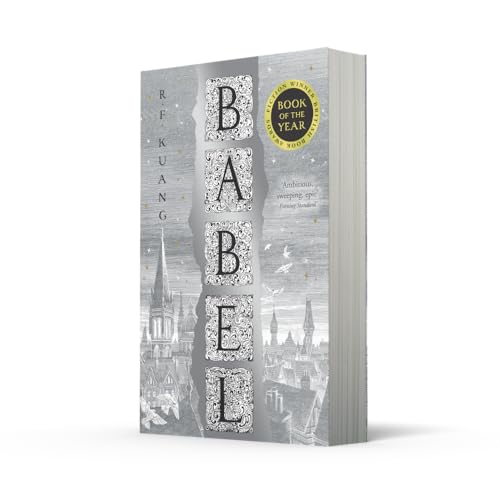
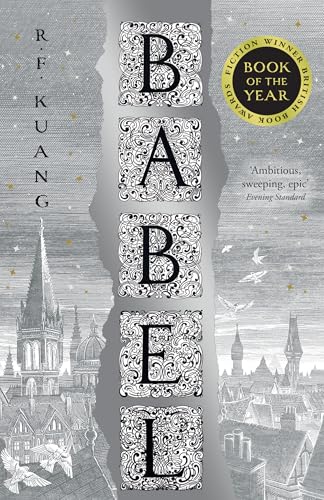


desertcart.com: Babel: 9780008501853: Kuang, R.F.: Books Review: Well Worth The Hype - "Babel: Or the Necessity of Violence: An Arcane History of the Oxford Translators' Revolution" is a remarkable literary work that delves deep into various facets of translation, colonialism, and their real-world implications. I saw this recommend on TikTok so many times and was going to ignore it because TikTok recommendations are a very specific brand of content that I don't usually enjoy, but the recommendation for this one was so remarkable that I felt I had to see for myself. One of the standout features of this book is its insightful commentary on colonialism. The parallels between translation and colonialism are clear and obvious, without being condescending. I found it to be a beautiful and thoughtful workup that really encourages the reader to explore what it means to exist in the systems we've created. Even though the book is obviously fictional, the principles are real and current. Through well-researched examples and analysis, the book sheds light on the complex relationship between language, culture, and colonialism, making it an invaluable resource for understanding this historical context. Beyond being a historical account, "Babel" demonstrates the real-world applicability of its themes. It draws parallels between past colonial practices and contemporary issues, emphasizing how the legacy of colonialism continues to influence our global society, which isn't a new idea for some people but needs frequent reminding I think. The book's narrative is infused with a sense of tragedy, as it explores the injustices and suffering caused by colonialism and this emotional depth made personal through the unique and nuanced characters of the story adds a powerful layer to the storytelling, making it a thought-provoking and emotionally resonant read. I cried a lot but mostly felt a consistent heartache throughout that literally never got better. The whole story is so tragic and yet so understandable- so realistic- which makes it all the more devastating. I felt incredibly resigned throughout the whole book. The author's incredible talent for foreshadowing and painting parallels gives you a very clear idea of where the book is going from the beginning and even so, like any incredible writer, you are still devastated when you get there. I couldn't help but invest myself in hope, even knowing where things would end. "Babel" also impresses with its meticulous research and intellectual rigor. The author's depth of knowledge and scholarly approach shine through in every chapter. The book is not only informative but also intellectually stimulating, inviting readers to engage deeply with its content. I enjoy all the context for actual translations. To summarize, "Babel: Or the Necessity of Violence: An Arcane History of the Oxford Translators' Revolution" is a masterful exploration of translation, colonialism, and their lasting impact on our world. Its excellent commentary, real-world relevance, tragic undertones, and scholarly depth make it a must-read for anyone interested in the intersection of language, power, and history. Review: The Seamy Side of the British Empire - “That’s all speaking is. Listening to the other and trying to see past your own biases to glimpse what they’re trying to say. Showing yourself to the world, and hoping someone else understands.” (p535) There are two compelling, complementary stories in this thought-provoking novel. The tight shot is about divided loyalties and the search for a life of meaning; it includes powerful reflections on academia, elitism, misogyny, racism, power, and privilege. Zoom out for the broader context: a fictional account of the shameful, seamy side of the British Empire and Industrial Revolution, in which magical silver bars serve as a metaphor for a world dominated by exploitation, greed, colonialism, slavery, oppression, moral blindness, and the quest for hegemony. Connecting the micro and macro-stories is a fascinating exploration of language, linguistics, and culture. These three layers – divided loyalties, exploitation, and linguistics – combine to deliver an immensely satisfying reading experience. It’s only fair to report some minor disappointments. The plot hinges on several pivotal decisions, actions, and events that feel implausible, even in the fictional, magical world the characters inhabit. The finale leaves more unanswered questions than I would have liked. And there’s very little humor in the book – a shame, given that the author can be very funny (see her “Katabasis”). But these are quibbles; this excellent book is another winner from the talented R.F. Kuang.
| Best Sellers Rank | #890,836 in Books ( See Top 100 in Books ) |
| Customer Reviews | 4.3 4.3 out of 5 stars (27,398) |
| Dimensions | 5.08 x 1.57 x 7.8 inches |
| ISBN-10 | 0008501858 |
| ISBN-13 | 978-0008501853 |
| Item Weight | 2.31 pounds |
| Language | English |
| Print length | 546 pages |
| Publication date | August 17, 2023 |
| Publisher | HARPER COLLINS |
D**O
Well Worth The Hype
"Babel: Or the Necessity of Violence: An Arcane History of the Oxford Translators' Revolution" is a remarkable literary work that delves deep into various facets of translation, colonialism, and their real-world implications. I saw this recommend on TikTok so many times and was going to ignore it because TikTok recommendations are a very specific brand of content that I don't usually enjoy, but the recommendation for this one was so remarkable that I felt I had to see for myself. One of the standout features of this book is its insightful commentary on colonialism. The parallels between translation and colonialism are clear and obvious, without being condescending. I found it to be a beautiful and thoughtful workup that really encourages the reader to explore what it means to exist in the systems we've created. Even though the book is obviously fictional, the principles are real and current. Through well-researched examples and analysis, the book sheds light on the complex relationship between language, culture, and colonialism, making it an invaluable resource for understanding this historical context. Beyond being a historical account, "Babel" demonstrates the real-world applicability of its themes. It draws parallels between past colonial practices and contemporary issues, emphasizing how the legacy of colonialism continues to influence our global society, which isn't a new idea for some people but needs frequent reminding I think. The book's narrative is infused with a sense of tragedy, as it explores the injustices and suffering caused by colonialism and this emotional depth made personal through the unique and nuanced characters of the story adds a powerful layer to the storytelling, making it a thought-provoking and emotionally resonant read. I cried a lot but mostly felt a consistent heartache throughout that literally never got better. The whole story is so tragic and yet so understandable- so realistic- which makes it all the more devastating. I felt incredibly resigned throughout the whole book. The author's incredible talent for foreshadowing and painting parallels gives you a very clear idea of where the book is going from the beginning and even so, like any incredible writer, you are still devastated when you get there. I couldn't help but invest myself in hope, even knowing where things would end. "Babel" also impresses with its meticulous research and intellectual rigor. The author's depth of knowledge and scholarly approach shine through in every chapter. The book is not only informative but also intellectually stimulating, inviting readers to engage deeply with its content. I enjoy all the context for actual translations. To summarize, "Babel: Or the Necessity of Violence: An Arcane History of the Oxford Translators' Revolution" is a masterful exploration of translation, colonialism, and their lasting impact on our world. Its excellent commentary, real-world relevance, tragic undertones, and scholarly depth make it a must-read for anyone interested in the intersection of language, power, and history.
D**J
The Seamy Side of the British Empire
“That’s all speaking is. Listening to the other and trying to see past your own biases to glimpse what they’re trying to say. Showing yourself to the world, and hoping someone else understands.” (p535) There are two compelling, complementary stories in this thought-provoking novel. The tight shot is about divided loyalties and the search for a life of meaning; it includes powerful reflections on academia, elitism, misogyny, racism, power, and privilege. Zoom out for the broader context: a fictional account of the shameful, seamy side of the British Empire and Industrial Revolution, in which magical silver bars serve as a metaphor for a world dominated by exploitation, greed, colonialism, slavery, oppression, moral blindness, and the quest for hegemony. Connecting the micro and macro-stories is a fascinating exploration of language, linguistics, and culture. These three layers – divided loyalties, exploitation, and linguistics – combine to deliver an immensely satisfying reading experience. It’s only fair to report some minor disappointments. The plot hinges on several pivotal decisions, actions, and events that feel implausible, even in the fictional, magical world the characters inhabit. The finale leaves more unanswered questions than I would have liked. And there’s very little humor in the book – a shame, given that the author can be very funny (see her “Katabasis”). But these are quibbles; this excellent book is another winner from the talented R.F. Kuang.
K**R
Amazing read! 10/10 story and amazing symbolism
This is the first book in a while that's left me truly speechless. It starts off sad, and slowly builds until Chekhov's gun fires and the tower comes crumbling down. There are so many things I could say about this book, I'm not really sure where to begin, so I guess I'll start at the beginning. At the start of the book, Babel is shown as a wonderful and amazing creation that benefits all. However even then you see the mask begin to slip, the hints of cruelty and indifference. As the story continues, the mask slips more and more until you're staring into the mass of harm and rot Babel had become, still keeping up its smile even with the newly visible blood dripping from its wealth. Speaking of slow changes in perspective, Robin was an amazing choice as the main character! He starts off falling into the appeal of Babel and what it offers, buying into its disguise as he's gifted the riches stolen from foreign lands without understanding the pain that got it there. There's even a scene in the book early on where Robin sees a homeless family and tosses literal pennies from his limitless budget at them, which was a perfect metaphor for how Babel as a whole acted. Tossing pennies at the poor people while patting itself on the back and ignoring the actual horrors of what's happening. As the story goes on though, he starts seeing the cracks in the walls and the gaps in the mask. Watching his character's descent from a peaceful but cowardly kid into the determined martyr that was willing to tear down an empire with its own creation was somehow both extremely satisfying and extremely haunting. The commentary on violence was also incredibly thought out and explained. One thing this book did particularly well was showing arguments for both sides. Neither the violent nor the peaceful side were dumbed down to make the message easier, but the effects and results of the actions still made an extremely convincing argument. Another thing I loved about this book was the realism when showing the ways the characters affected the world. It showed clearly that revolutions weren't just everyone vs the government, the fighting isn't glamorous or fair, and the people's reactions and ideas were always reasonable for their character. Babel as a whole also makes an amazing metaphor. It shows you the side you'd see if you lived there at the time, all the luxury and none of the violence. The people weren't shown the silver mines, or the opium dens, or the fields of plants entire cities were leveled to grow. It really made me process for the first time why it took so long for significant movements against colonialism to form. This book also did an amazing job of showing that some people will stare directly at the belly of the beast and still choose to look away since that's easier than confronting what they'd ignored for years. All of that coming to an end as Babel, doomed to one day fall beneath its own claws, was crushed by the very thing it claimed to idealize and fought to protect. The languages and silver stolen from faraway lands became the very things that brought about Babel's downfall.
م**ن
متحمس له وصلني في حالة ممتازة بس باقي ما بديت اقراه
O**E
It’s not an easy task to review a book that is such a monolith of ideas. I loved the whole vision and the narrative voice - a genuinely vivid and energetic mind telling a truly compelling story. The various references to Dickens are a clear indication of the writers love of great imaginative storytelling and the book is exactly that. A very intelligent book that deserves reading for its uncompromising attack on the British Empire and its rewriting of history through the eyes of four young men and women trapped in its system of double standards and hypocrisy. Vast in its vision and genuinely moving in the choices its characters make. Occasionally such truths are slightly tarnished by echoes of fashionable politically correctness while the strength of the book’s ideas and characters in themselves establish an unquestionable critique and system of values that does the job far more effectively than any dogmatic adherence to cancel culture or the like. A real standout book that despite being labeled as a YA novel involves a widely-read adult reader such as myself. Very much recommended.
N**R
très bien - pas de problème
K**A
I won't comment on the novel per se, because literarily it's great, but I'm INCREDIBLY DISAPPOINTED with the quality of the edition. I bought the novel in hardcover, hoping for the durability and solidity of the edition. Unfortunately, I found that despite the hardcover, the spine of the book is glued, not sewn, and the pages (every single one of them!) begin to fall off the spine after one flip. I fear that by the time I get to the end of the novel, they will have fallen off completely. I ordered the English-language edition specifically because of the hardcover, as in my country it only comes out in an integral binding. This turned out to be a big mistake, as the quality of the Polish edition is nevertheless much better. (Rating for novel itself - 5/5)
R**O
I love this book—that it, the content of the book— but I very disappointed with the way the cover is so flimsy and the print is so small. It’s a very small book lol but still pretty
Trustpilot
Hace 2 meses
Hace 1 semana