
Descargar la aplicación


Servicios al cliente
Sobre nosotros
Copyright © 2025 Desertcart Holdings Limited
Descargar la aplicación
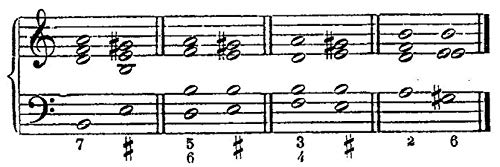
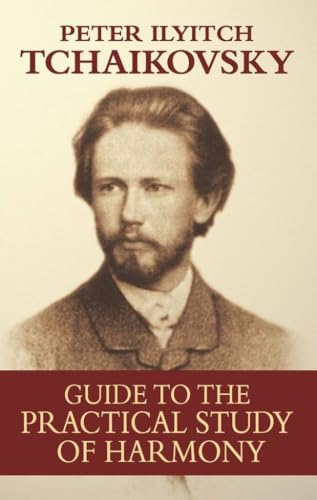
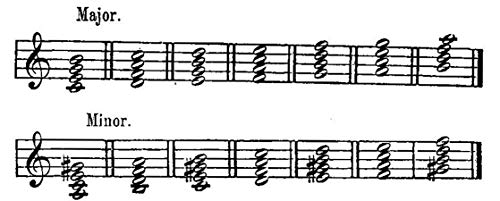
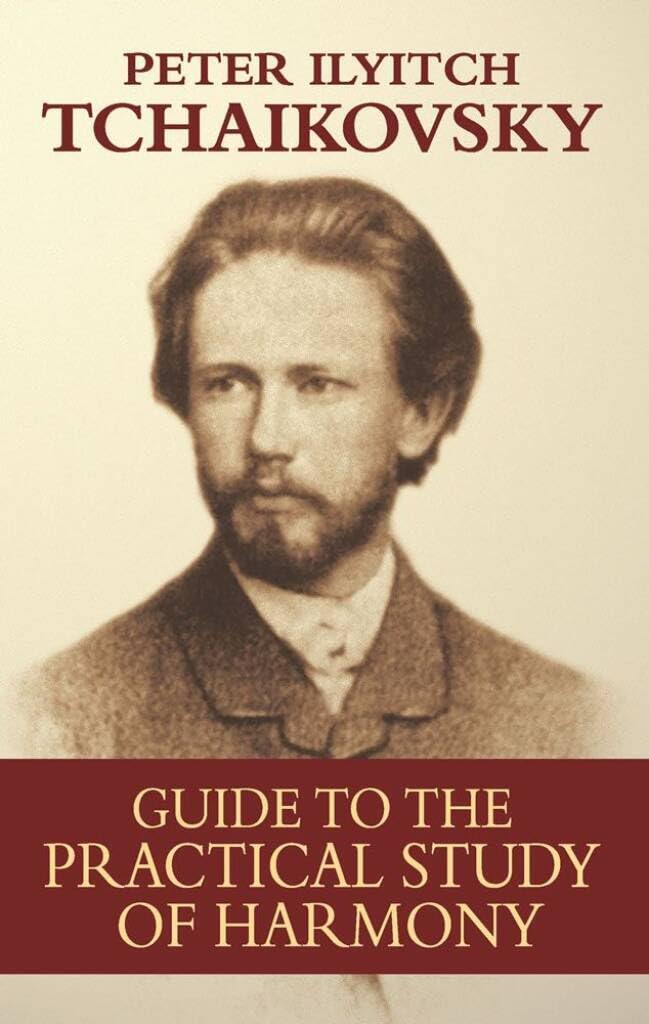
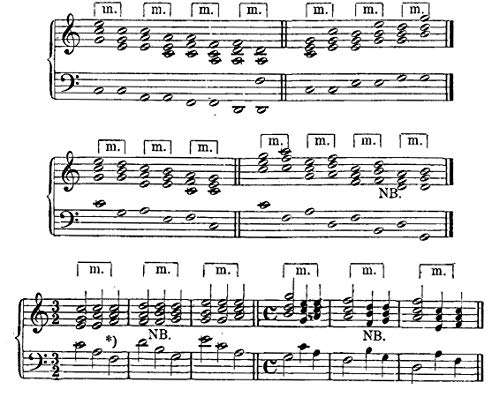
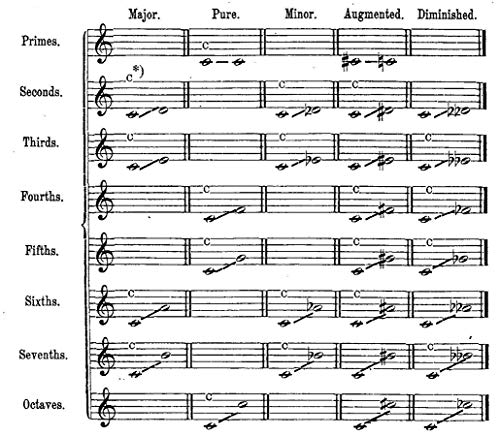
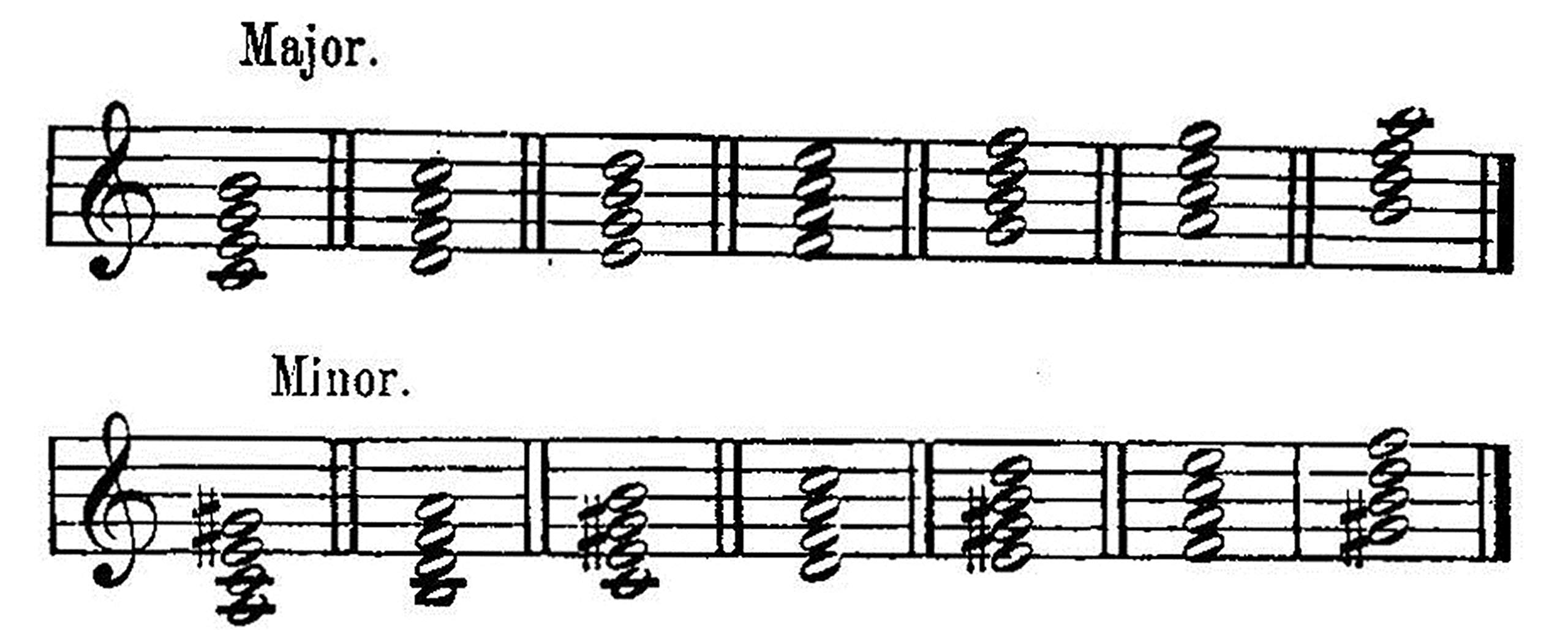
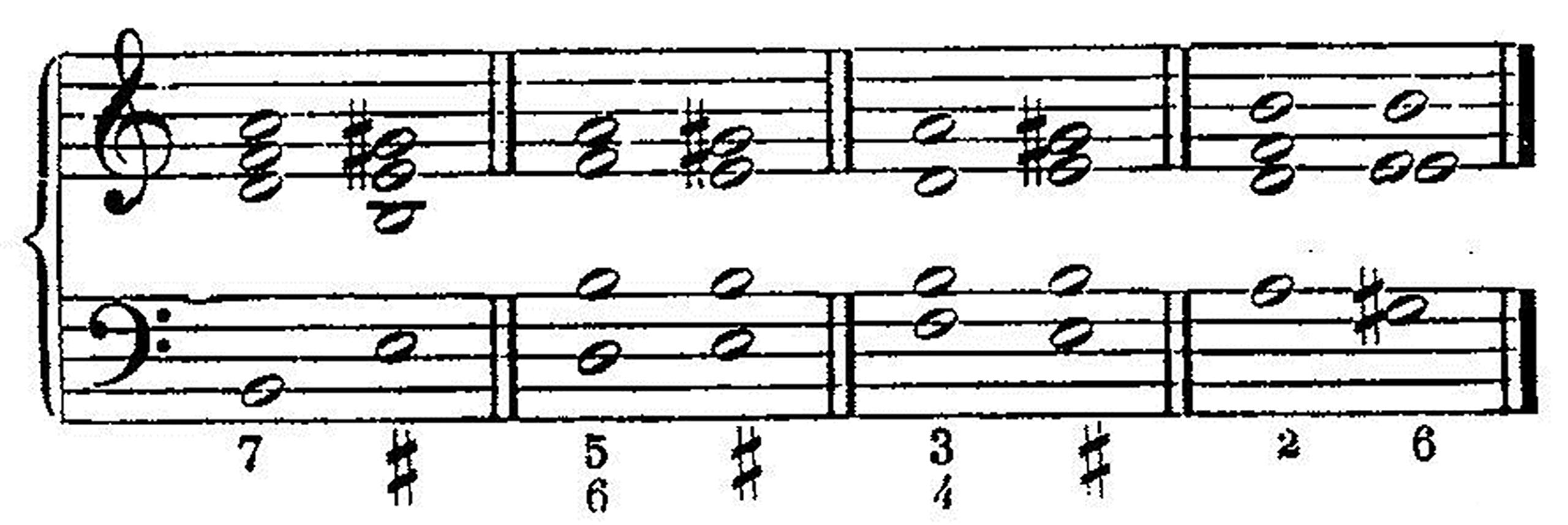
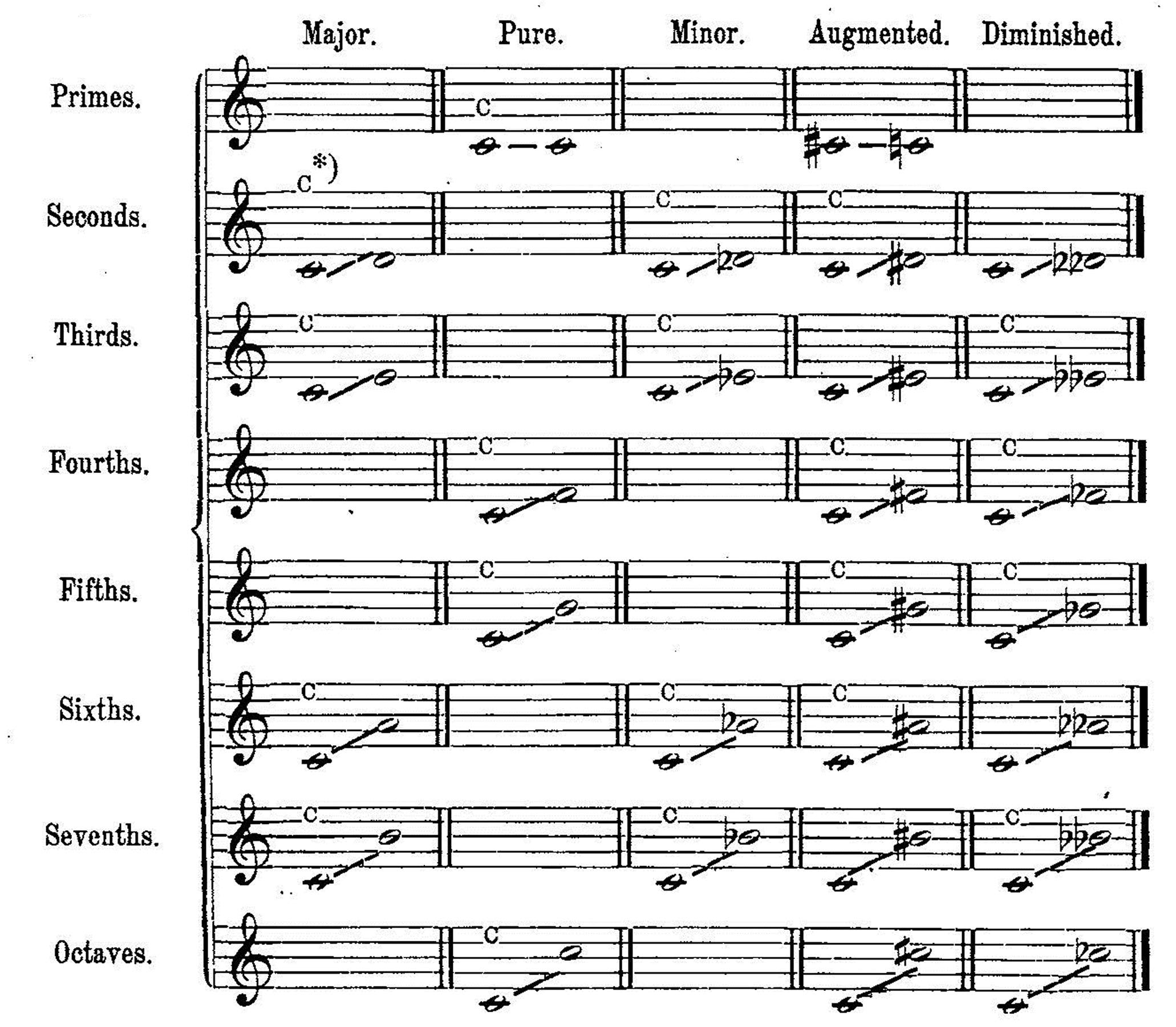
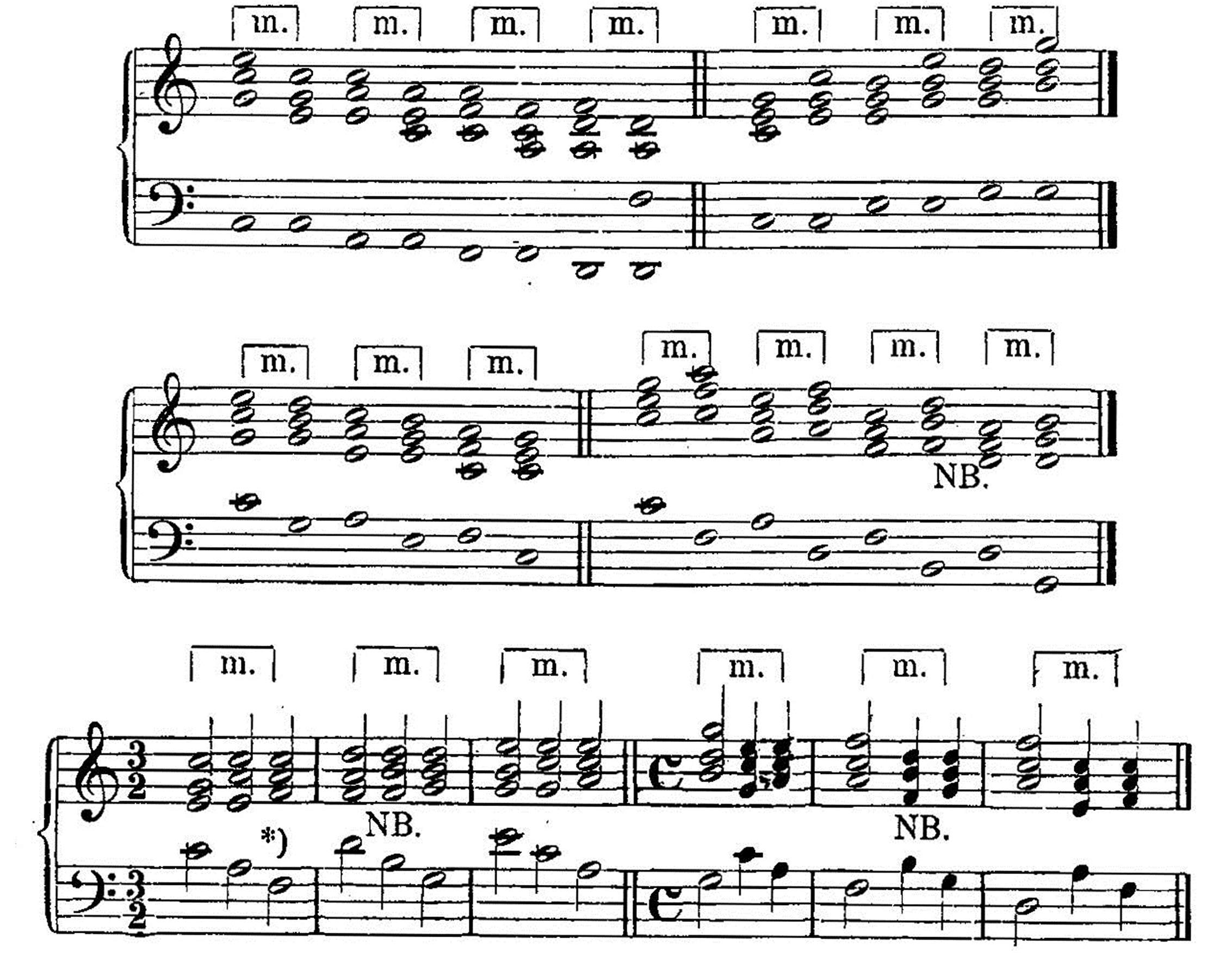
Guide to the Practical Study of Harmony (Dover Books On Music: Analysis) [Tchaikovsky, Peter Ilyitch] on desertcart.com. *FREE* shipping on qualifying offers. Guide to the Practical Study of Harmony (Dover Books On Music: Analysis) Review: Harmony theory boot-camp - I drew a picture of Yoda on the inside cover of my copy because I felt like Luke Skywalker being trained as a Jedi while working through it. Tchaikovsky was not messing around and he puts you through the paces, but if you can stick with it -- and I had to come back to the book after dropping it once for a year -- you really do grow stronger as a musician. It is very much a book that is like being sent to boot camp with a stern but extremely gifted drill sergeant. Review: Tchaikovsky, one of the Greatest Composer/Orchestrators of all time - Peter Ilyitch Tchaikovsky, wrote this book after his professorship at the Imperial Conservatory of Moscow in 1900. Tchaikovsky is one of the most influential composers and orchestrators of symphonic music ever. Here in his Guide To The Practical Study of Harmony" he gives us all a glimpse into his vast knowledge of harmony as a process. He has taken his watch apart for us all to see how it works. We all may not desire to see how a watch works. After reading this book you will at least know why a watch works as it does. He understood the importance of translating emotion through intense musical performance. His "Tutti" sections for orchestra will always be the clarion call to our senses. My ear will never tire of anticipating what emotion will come next as each section of the orchestra is featured. Tchaikovsky understood the full potential of writing for the orchestra. His voicing techniques are deliberate. What you hear is what was intended. As a composer it is clear Tchaikovsky wrote to arouse. Like all great artist in both art and music, his music was purposeful and provocative. This treatise is a wonderful look behind his scores. Not a look into why he wrote the right notes. But how he wrote the "right" notes. Tchaikovsky's orchestrations are true scoring genius. Brilliant instrumental combinations. Each featured and woven together into a colorful orchestral tapestry. Tchaikovsky saw the orchestra as a colorful garden of beauty and sound. This book gives insight into how he harvested his garden to create an everlasting orchestral bouquet. A bouquet we all get to enjoy. If you are studying composition and orchestration you must read this book.


| ASIN | 0486442721 |
| Best Sellers Rank | #249,960 in Books ( See Top 100 in Books ) #98 in Music Composition (Books) #263 in Music Techniques (Books) #317 in Music Theory (Books) |
| Customer Reviews | 4.6 4.6 out of 5 stars (232) |
| Dimensions | 5.54 x 0.3 x 8.74 inches |
| ISBN-10 | 9780486442723 |
| ISBN-13 | 978-0486442723 |
| Item Weight | 6.4 ounces |
| Language | English |
| Print length | 160 pages |
| Publication date | April 1, 2005 |
| Publisher | Dover Publications |
J**N
Harmony theory boot-camp
I drew a picture of Yoda on the inside cover of my copy because I felt like Luke Skywalker being trained as a Jedi while working through it. Tchaikovsky was not messing around and he puts you through the paces, but if you can stick with it -- and I had to come back to the book after dropping it once for a year -- you really do grow stronger as a musician. It is very much a book that is like being sent to boot camp with a stern but extremely gifted drill sergeant.
D**Y
Tchaikovsky, one of the Greatest Composer/Orchestrators of all time
Peter Ilyitch Tchaikovsky, wrote this book after his professorship at the Imperial Conservatory of Moscow in 1900. Tchaikovsky is one of the most influential composers and orchestrators of symphonic music ever. Here in his Guide To The Practical Study of Harmony" he gives us all a glimpse into his vast knowledge of harmony as a process. He has taken his watch apart for us all to see how it works. We all may not desire to see how a watch works. After reading this book you will at least know why a watch works as it does. He understood the importance of translating emotion through intense musical performance. His "Tutti" sections for orchestra will always be the clarion call to our senses. My ear will never tire of anticipating what emotion will come next as each section of the orchestra is featured. Tchaikovsky understood the full potential of writing for the orchestra. His voicing techniques are deliberate. What you hear is what was intended. As a composer it is clear Tchaikovsky wrote to arouse. Like all great artist in both art and music, his music was purposeful and provocative. This treatise is a wonderful look behind his scores. Not a look into why he wrote the right notes. But how he wrote the "right" notes. Tchaikovsky's orchestrations are true scoring genius. Brilliant instrumental combinations. Each featured and woven together into a colorful orchestral tapestry. Tchaikovsky saw the orchestra as a colorful garden of beauty and sound. This book gives insight into how he harvested his garden to create an everlasting orchestral bouquet. A bouquet we all get to enjoy. If you are studying composition and orchestration you must read this book.
K**N
EXCELLENT BOOK!!!!
EXCELLENT BOOK!!! Great for college level III+ review (which is why I bought it). Very detailed with SATB exercises that focus on material presented in that chapter. Very in depth, covers all the basics such as doubling, voice leading, inversions, to specifically dissonant harmony to extended harmonies and beyond. The wording can be a little difficult at times without an instructor to put it in plain English. The book briefly goes over the essentials, but most assumes prior knowledge.
C**L
It's hard to think of the great Tchaikovsky ever having to teach theory and musicianship but ...
It's hard to think of the great Tchaikovsky ever having to teach theory and musicianship but he did and wrote really succintly about it. Great read. As the title says, it's really practical!
A**S
An in depth text on theoretical harmony
I bought this book on the strength of the authors name. It's a shame that his writing is not as strong as his music. Even for the period in which it was written, it is hard to read and much concentration required to ingest the information. That said, the information is there and goes from the basic intervals to complex chord structures, but most experienced composers/musicians would start reading at about two third into the book. This is an interesting book, more interesting for giving an insight into the great Mr Tchaikovsky than studying harmony and for that I would buy it again. In my opinion, there are far better books on the subject. A W.Roberts. (Composer)
D**H
I've bought it: it's Tchaikovsky
There are a lot of better books on the practical studies of harmony, BUT this one is written by Peter Ilyitch Tchaikovsky, and that's a reason in it self, to buy the book. There isn't that many books written by great composers of the past. Rameau's Treatise on Harmony, and Berlioz Orchestration is perhaps the most heavy weight books on music written by famous composers. Later on Schönberg and Hindemith has given us some very good contributions.
S**E
Academic and dry - frankly boring
Highly technical, style very academic and dry. Hard to believe this was written by a successful, indeed a great composer. If he really did what he recommends, I doubt anybody would ever have heard of him outside the doors of the conservatory. Of course it's all accurate and has many useful examples, but it's very uninspiring and frankly boring; I guess his students had to buy it.
D**A
Learn from the Master
This book is, as the title suggests, a truly "practical" guide to harmony. I have chosen to teach myself out of this book instead of taking college theory courses, and dropped out of school in order to do so. Must have a general understanding of musical terms and basic theory. Sometimes the explanations and assignments are hard to understand, but if you give it time and patience, their meaning will reveal itself to you.
A**H
Great book for music theory nerds.
C**N
dfh
M**N
książka nowa, przydatna
H**O
Una adición valiosa para la biblioteca de personas que ejecutan instrumentos, cantan o se dedican a la música
H**R
the information in this book is very in depth Tchaikovsky is however very encouraging to you stating that the pupil should not be discouraged,when he or she finds that at the very beginning of study 120 chords must be written out in one key alone the language although old fashioned is easily decipherable. On the whole well worth reading and keeping in your text book library
Trustpilot
Hace 2 días
Hace 3 semanas